Best Dating Apps: Features, Safety and What to Consider Before Choosing
Online dating has become one of the most popular ways to meet new people.
With a wide range of platforms available, understanding how they differ in features, privacy standards, matching systems, and overall user experience can significantly influence your results.
COMPARE FEATURES AND PRICING
FIND PEOPLE NEARBY
Find the love of your life through the app.Some apps focus on fast connections and high activity, while others prioritize compatibility, profile depth, and long-term relationship potential.
Comparing options before registering helps reduce frustration and increases the likelihood of meaningful matches.
Choosing the right platform depends on your personal goals, expectations, and preferred communication style.
How Modern Dating Apps Work
Most dating platforms rely on profile information, behavioral data, and algorithm-based ranking systems to suggest matches.
When creating an account, users typically provide photos, interests, lifestyle preferences, and relationship goals.
Matching systems analyze engagement patterns, response times, profile activity, and stated preferences. Over time, many platforms refine match suggestions using machine learning to improve relevance and compatibility.
Some services allow open browsing, while others prioritize structured compatibility scoring. In many cases, additional tools such as advanced filters, increased profile exposure, and enhanced communication features may be available through optional membership levels.
Understanding how these systems influence visibility and interaction frequency can help users set realistic expectations.
Important Factors to Compare
Before choosing a dating app, consider several key elements that directly affect your experience.
User base size influences activity levels and match diversity. Larger communities provide more potential matches, while niche platforms may offer stronger alignment in specific areas such as lifestyle or interests.
Profile verification standards are also important. Platforms that invest in moderation tools and identity checks tend to create safer environments.
Matching accuracy depends on the quality of filtering systems and compatibility tools. Advanced search options can help narrow results based on preferences, values, and long-term goals.
Communication features vary between platforms. Some restrict messaging until mutual interest is confirmed, while others allow broader access once a profile is active.
It is also important to review account management flexibility, subscription policies, and payment security standards before committing to any service.
Apps Designed for Long-Term Relationships
Certain platforms are structured to support compatibility-driven connections rather than quick interactions.
eHarmony
eHarmony is known for its personality-based compatibility system. Members complete detailed assessments designed to align individuals based on values, habits, and relationship goals.
The structured matching process encourages more intentional conversations and appeals to users seeking stable, long-term relationships.
Match
Match combines advanced search tools with curated recommendations. Users can filter potential partners according to interests, lifestyle preferences, and relationship intentions.
The platform provides flexibility while still offering guided suggestions, making it suitable for users who want both control and compatibility-based matching.
Elite Singles
Elite Singles focuses on educated professionals looking for meaningful connections. The platform incorporates personality analysis and selective match suggestions to maintain a more organized environment.
This structured approach encourages serious engagement and goal-oriented conversations.
High-Activity Dating Platforms
Some users prefer dynamic environments with faster interaction.
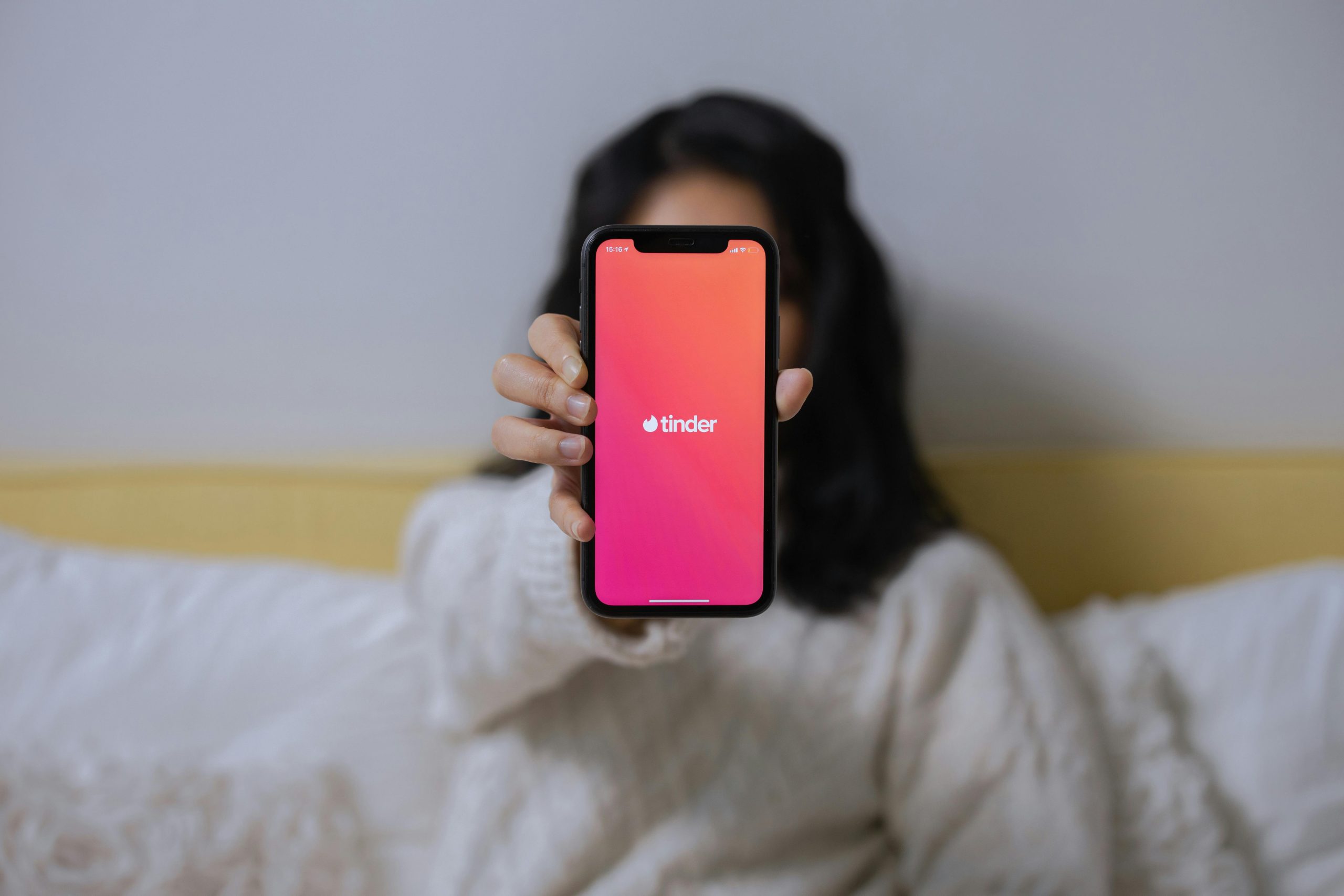
Tinder
Tinder introduced the swipe-based matching format that allows users to browse profiles quickly. Its large user base contributes to high activity levels and frequent new matches.
Optional feature enhancements can expand search flexibility and improve profile visibility within the matching system.
Bumble
Bumble structures conversation initiation in a way that encourages balanced communication. The platform also includes networking and friendship modes, broadening its functionality.
Users who value organized interaction and modern interface design often find Bumble appealing.
Compatibility-Focused Hybrid Platforms
Between structured systems and high-speed swiping apps, some platforms aim to balance meaningful interaction with usability.
Hinge
Hinge emphasizes profile prompts and conversation starters that highlight personality and shared interests. This approach encourages more thoughtful engagement rather than purely visual matching.
The system is designed to support steady, compatibility-focused interaction.
OkCupid
OkCupid integrates compatibility questions that generate alignment percentages between users. Members can refine search results based on values, interests, and lifestyle priorities.
This level of customization allows users to tailor their experience and improve match precision.
Privacy and Security Considerations
Security should always be a priority when choosing a dating platform. Established services typically offer encrypted messaging, moderation systems, and profile verification tools.
Before registering, review privacy policies, data protection standards, and account control settings. Understanding subscription management and cancellation procedures can also prevent unnecessary complications.
Transparent policies and secure payment processing systems are strong indicators of reliability.
Tips for Better Results
Improving match outcomes often depends on profile quality and consistent activity.
Use recent, high-quality photos that accurately represent you. Complete profile sections thoroughly to give matching systems more data for accurate suggestions.
Clearly define your relationship goals to attract compatible matches. Staying active and responding promptly to messages can also increase visibility within the platform.
Exploring advanced filtering tools, when available, may further refine your experience.
Final Thoughts
The best dating app depends on your goals, preferences, and level of commitment. Taking time to compare features, privacy standards, matching systems, and overall usability can significantly improve your experience.
Choosing thoughtfully and remaining intentional in your interactions increases the likelihood of forming meaningful connections over time.